2026 Top Trends of Double Eccentric Butterfly Valve Explained?
The double eccentric butterfly valve is gaining popularity in various industries. This valve type offers unique advantages, driving its adoption in modern applications. Understanding the 2026 top trends of double eccentric butterfly valves helps engineers and decision-makers make informed choices.
In recent years, the demand for efficient fluid control has increased. The double eccentric design minimizes friction, leading to smoother operation and longer service life. Many industries, including water treatment and oil and gas, are now embracing this technology. It's crucial to recognize that while these valves offer many benefits, they are not without their challenges.
Research shows that improper installation and maintenance can lead to performance issues. Users must pay close attention to these factors. As we explore the trends, we will uncover insights into advancements and potential pitfalls in the use of double eccentric butterfly valves. Understanding these aspects is vital for optimizing their performance in real-world applications.
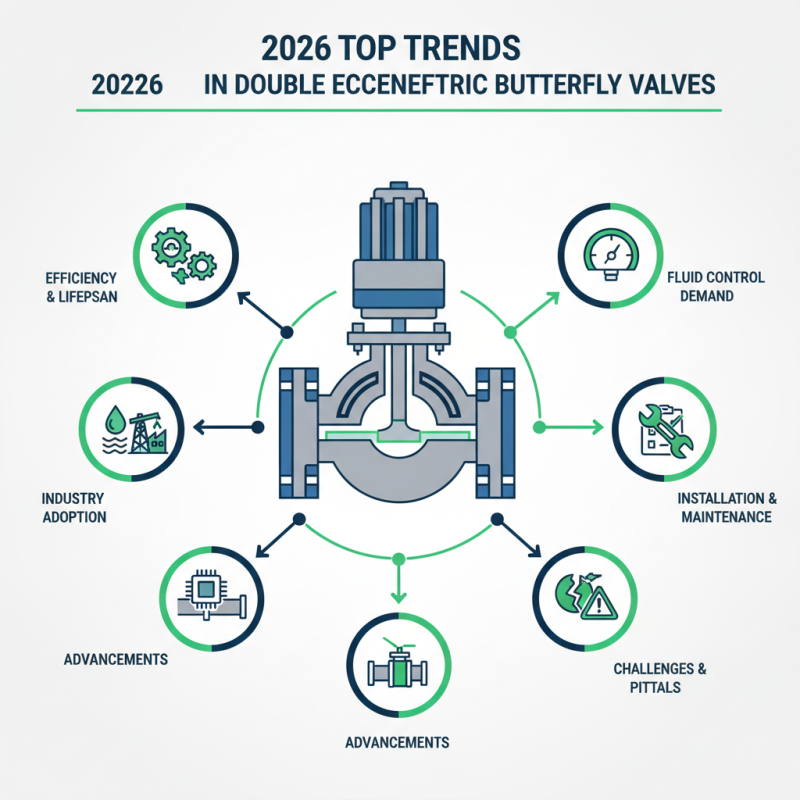
Overview of Double Eccentric Butterfly Valves and Their Functionality
Double eccentric butterfly valves are crucial components in various fluid control systems. Unlike traditional butterfly valves, their design boasts two offsets. This unique structure helps reduce friction and wear during operation. They allow for smoother flow and lower pressure drops.
These valves function by rotating a disc to regulate flow. When in the open position, the disc stays out of the flow path, minimizing turbulence. In contrast, closing the valve involves a simple quarter turn. This mechanism provides quick and effective sealing.
One consideration is the installation location. Improper positioning can lead to performance issues. Moreover, while they are generally reliable, maintenance is key. Periodic inspections can help detect potential leaks or wear. Not addressing these concerns may lead to operational inefficiencies over time.
Key Features and Advantages of Double Eccentric Butterfly Valves
Double eccentric butterfly valves have gained popularity for their unique design and efficiency. These valves provide several key features that set them apart from traditional butterfly valves. One significant advantage is their ability to minimize turbulence. The double eccentric design allows a smooth opening and closing action. This reduces wear and tear on the valve and the system.
Another feature is the enhanced sealing capability. The offset design ensures that the seal is maintained when the valve is closed. This helps to prevent leaks in critical applications. In addition, these valves can handle various fluid types, making them versatile for different industries.
Tips: Regular maintenance is crucial. Inspect the seal and mechanical components often. Not addressing minor issues can escalate quickly.
Another consideration is the installation process. Ensure proper alignment during setup. Misalignment can lead to more significant problems. Validate the suitability of the valve for your application to avoid future complications.
Innovative Design Trends in Double Eccentric Butterfly Valves for 2026
In 2026, the double eccentric butterfly valve market is set to embrace innovative design trends that enhance performance and efficiency. Recent studies indicate that these valves are growing in popularity, with a projected annual growth rate of 7% in this sector. This rise is driven by demands for improved fluid control and energy-saving solutions.
One major trend focuses on lightweight materials that offer durability without compromising performance. Manufacturers aim for designs that reduce weight while maintaining structural integrity. This not only helps in installation but also reduces shipping costs. Another innovation is the incorporation of smart technology. Sensors can now monitor valve performance in real time. This technology assists in predictive maintenance, reducing downtime and operational costs.
Tips: When considering double eccentric butterfly valves, assess the weight and material. Look for options that balance strength and lightness. Don’t overlook the importance of smart features. They might seem expensive, but they can save you money in the long run. However, some designs may lack adequate testing, leading to concerns about reliability. Ensure you choose proven solutions.
Applications and Industries Utilizing Double Eccentric Butterfly Valves
The double eccentric butterfly valve is finding its way into various applications due to its unique advantages. Industries such as water treatment, oil and gas, and power generation make extensive use of this valve type. Its design allows for a reduced torque requirement. This makes the valve easier to operate, which is a key benefit in large facilities.
In water treatment plants, double eccentric butterfly valves are essential for efficient flow control. They can handle large volumes of water with minimal pressure drop, making them cost-effective. Additionally, in the oil and gas industry, these valves provide reliable shut-off capabilities. Their ability to manage high pressure and temperature means they are often used in pipelines.
However, there are challenges. Maintenance can be demanding, particularly in older systems. Regular inspections are crucial to avoid failures. Some facilities overlook this essential practice, leading to operational inefficiencies. As industries adapt and evolve, awareness of these valves' needs will drive improvements and innovations. This evolution will shape the future of double eccentric butterfly valves in diverse sectors.
Future Developments and Sustainability in Valve Technology for 2026
The landscape of valve technology is evolving rapidly. By 2026, sustainability will dominate discussions in double eccentric butterfly valves. Manufacturers are focusing on eco-friendly materials and energy-efficient designs. This shift is not just a trend; it reflects a growing commitment to reducing environmental impact.
Tips: Look for products with high durability. They last longer and reduce waste. Small choices in materials can have a big impact.
Consider the lifecycle of valves. A product that is easy to maintain might save resources in the long run. Moreover, industry standards are adapting. Regulations will likely become stricter, pushing companies to prioritize sustainable practices.
Another tip: Evaluate the manufacturing process. Transparency is key. Suppliers that share their material sourcing and waste management strategies can often be more trustworthy. Choosing wisely makes a difference for future generations.