What is an ABA Blown Film Machine and How Does It Work?
The aba blown film machine is a vital tool in plastic manufacturing. It plays a key role in producing various plastic films. These films find applications in packaging, agriculture, and construction. Understanding how this machine operates can reveal much about modern manufacturing.
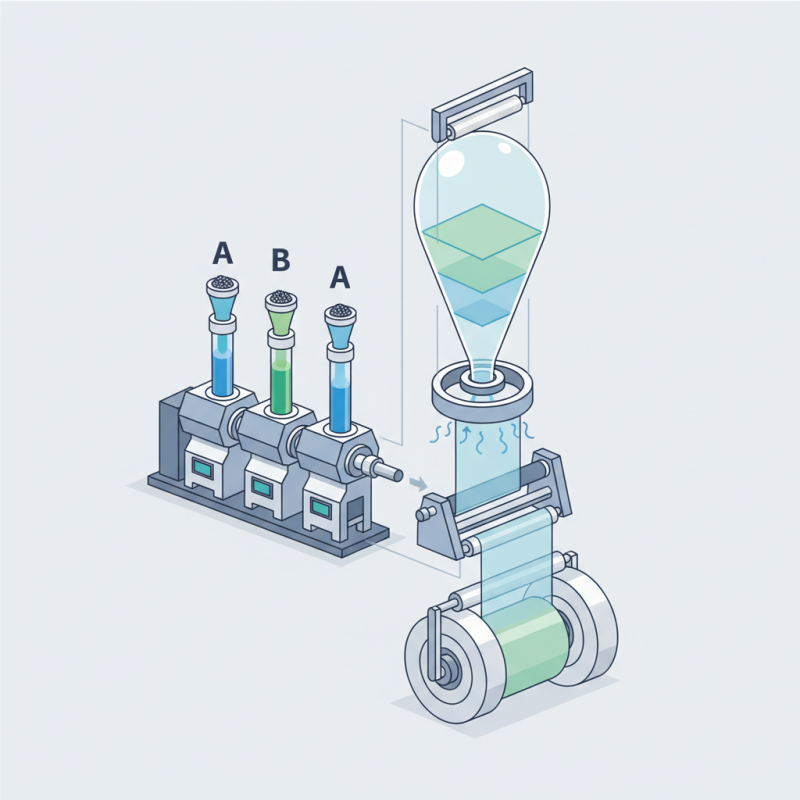
An aba blown film machine features multiple extruders. These extruders melt and shape plastic pellets into films. The 'A' designates layers of materials used. This design enhances film properties, improving strength and flexibility. Observing its operation can be fascinating, yet complex too. One may question how these machines maintain consistent quality.
While they offer many benefits, challenges exist. Technical issues can arise, leading to variations in film thickness. The process needs careful monitoring. Operators must be skilled to ensure efficiency. Overall, the ABA blown film machine is an essential component of film production. It combines technology and craftsmanship, resulting in various plastic products.
What is an ABA Blown Film Machine?
An ABA blown film machine is a specialized device used to produce multi-layer plastic films. The "ABA" stands for its three-layer structure: an inner layer and two outer layers. This design allows for better barrier properties and enhanced durability. The machine works by melting polyethylene pellets and extruding them through a circular die. The film is then cooled and wound onto rolls, ready for use in packaging and other applications.
Statistics show that the global blown film market is expected to reach $20 billion by 2025. This growth is driven by increased demand for sustainable packaging solutions. The ABA machine’s ability to use different materials in one film enhances its versatility. It can utilize recycled materials, making it a cost-effective choice. However, achieving the right blend of materials can be challenging and requires careful calibration.
Tips: Regular maintenance is crucial for optimal performance. Clean the die regularly to prevent buildup. Additionally, monitor temperature settings closely to ensure consistent film quality. Problems with film thickness can lead to waste and increased costs. It’s wise to invest in training for operators to enhance efficiency and reduce errors.
Key Components of an ABA Blown Film Machine
An ABA blown film machine is integral in producing multi-layer films. It utilizes three extruders to create layers of materials with distinct properties. The outer layers usually provide strength, while the middle layer adds barrier properties. This design improves flexibility and durability significantly.
The key components include the extruder, die, and cooling system. The extruder is crucial as it melts plastic pellets and forms a melt flow. An industry report states that about 35% of production efficiency depends on the extruder's performance. If it jams or malfunctions, output can drop. The die shapes the film. Proper calibration is essential; otherwise, film thickness can vary, leading to weaknesses.
Cooling systems are vital in preserving the film's integrity. A well-functioning cooling system ensures that film sets properly and reduces defects. However, an inefficient cooling process can result in film wrinkles or uneven surfaces. In practice, many operators find challenges in maintaining optimal cooling temperatures. Industry studies have shown that about 15% of processors struggle with this.
How Does the ABA Blown Film Process Work?
The ABA blown film process is an innovative technique used in packaging and plastic manufacturing. This method uses three layers of materials, which enhances durability and strength. According to industry reports, this structure can improve barrier properties by up to 30%, making it ideal for food packaging applications.
In the ABA process, molten polymer is extruded through a circular die, forming a continuous bubble. Air is then introduced, allowing the bubble to expand. As the film cools, it solidifies into thin sheets. This can yield films that are significantly thinner than traditional methods. Companies often achieve film thicknesses as low as 15 microns, which leads to reduced material usage.
However, the process isn't without challenges. Maintaining uniform thickness can be tough. Variations can occur when temperature control is not precise. Additionally, the balance of materials can affect the final product quality. Industry data suggests that up to 15% of production can face these inconsistencies. Proper training and technology are crucial in minimizing such issues for optimal results.
Applications of ABA Blown Film in Various Industries
ABA blown film has diverse applications across multiple industries. It is crucial in packaging, especially for food. The multilayer structure of ABA films provides excellent barrier properties. This keeps food fresh for longer periods. The clarity of the film allows consumers to see the product inside.
Another significant application is in agriculture. Farmers use ABA films for greenhouse covers. These films protect crops from harsh weather. They also act as a barrier against pests. The durability of ABA films makes them suitable for prolonged exposure to the elements.
In the automotive sector, ABA films are used for interior applications. They improve aesthetic appeal and protect surfaces from wear. However, some manufacturers struggle to maximize the benefits of this technology. They need to focus on optimizing production processes to enhance quality.
Benefits of Using ABA Blown Film Machines for Packaging Solutions
ABA blown film machines are essential tools in the packaging industry. They produce films using a unique co-extrusion process. This helps create multilayer films with various properties. These films are lightweight yet durable. They provide excellent barrier protection.
One main benefit is the versatility of ABA films. They can be used for food packaging, medical supplies, and industrial applications. The multilayer structure allows for customization. You can adjust thickness, strength, and flexibility. This adaptability makes ABA machines popular among manufacturers.
However, challenges exist. The setup can be complex. Operators need proper training to achieve optimal results. Additionally, waste can occur if settings are miscalibrated. Despite these hurdles, the benefits often outweigh the drawbacks. The efficiency and quality of the film produced are remarkable. With continued practice, operators can refine their skills and improve output.
What is an ABA Blown Film Machine and How Does It Work? - Benefits of Using ABA Blown Film Machines for Packaging Solutions
| Dimension | Description | Benefits |
| Material Type | ABA Blown Film is typically made from a blend of Polyethylene (PE) materials. | High versatility in packaging applications. |
| Production Rate | Production rates can vary but are generally around 100-300 kg/hr, depending on the machine's specifications. | Efficient for high-volume production. |
| Film Thickness | Can produce films ranging from 10 to 200 microns. | Customizable thickness based on application needs. |
| Key Features | Includes features like multi-layer co-extrusion and automatic gauge control. | Enhanced film properties and reduced waste during production. |
| Applications | Used widely in packaging for food, industrial products, and consumer goods. | Wide applicability across various industries. |
| Cost-Effectiveness | Initial investment may be high, but long-term savings are significant. | Reduces overall production costs due to efficiency. |