The Best Uses of Synthetic Mica Powder in Cosmetics?
In the world of cosmetics, synthetic mica powder has emerged as a game-changer. This mineral-derived ingredient offers various advantages over natural mica. Manufacturers appreciate its consistent quality and purity.
synthetic mica powder delivers a beautiful shimmer without harmful impurities. It enhances the texture of products like eyeshadows and foundations. Consumers enjoy the enhanced look and feel it provides. However, there's a challenge; not all synthetic mica is created equal. Some formulations may vary in quality, leading to potential skin reactions.
Attention to detail is essential when choosing synthetic mica powder. Brands must research their suppliers and prioritize sustainability. The cosmetic industry must continuously reflect on these aspects to ensure safe and effective products. Overall, the right synthetic mica powder can transform cosmetics, making them more alluring and vibrant.
Understanding Synthetic Mica: Definition and Characteristics
Synthetic mica is a versatile ingredient in cosmetics. It is derived from synthetic processes, ensuring purity and consistent quality. This differentiates it from natural mica, which can contain impurities. Synthetic mica has a unique lamellar structure that enhances its ability to reflect and refract light. According to a report from the Cosmetics Ingredient Review, this property gives cosmetics a desirable shimmer and shine.
The global synthetic mica market is projected to grow significantly, reaching over $1 billion by 2026. Many formulators prefer synthetic mica for its versatility. It can be used in powders, creams, and even liquid products. It provides a smooth application and contributes to a soft-focus effect. However, it is crucial to ensure proper sourcing to avoid microplastics.
There are ongoing discussions in the industry about sustainability. While synthetic mica reduces the environmental impact of mining, some argue that its production still has energy costs. Further research on recycling is needed. Addressing these concerns can lead to more responsible use in cosmetic formulations.
Benefits of Using Synthetic Mica in Cosmetic Formulations
Synthetic mica powder has become a preferred ingredient in the cosmetics industry due to its unique benefits. According to a recent report by MarketsandMarkets, the global mica market is expected to reach $1.31 billion by 2025, driven by the rising demand for high-quality pigments in makeup products. Synthetic mica offers superior shimmer and a silky feel on the skin, enhancing the texture of formulations like foundations and highlighters.
The use of synthetic mica also presents a more sustainable alternative. Natural mica mining is often associated with environmental degradation and ethical concerns. A study published in the Journal of Cosmetic Science highlights that synthetic mica is produced more responsibly, eliminating these issues. Moreover, it has excellent light-reflective properties, which can lead to bold color payoff while remaining lightweight. This is a significant advantage for consumers seeking both performance and safety.
However, not all formulations are perfect. Some synthetic micas can cause irritation for sensitive skin types. Testing is crucial to avoid adverse reactions. Transparency in ingredient sourcing remains an area needing improvement. The desire for sustainability pushes the industry, yet challenges persist in balancing performance and ethical sourcing. As the market continues to evolve, these factors will shape the future of cosmetic formulations.
Key Applications of Synthetic Mica Powder in Makeup Products
Synthetic mica powder has become a popular choice in the cosmetics industry. Its unique properties make it ideal for various makeup products. One of the most notable applications is in foundations. It provides a smooth finish and enhances the skin's texture. This is especially important for individuals seeking a natural look. Synthetic mica helps to create a soft focus effect, reducing the appearance of imperfections.
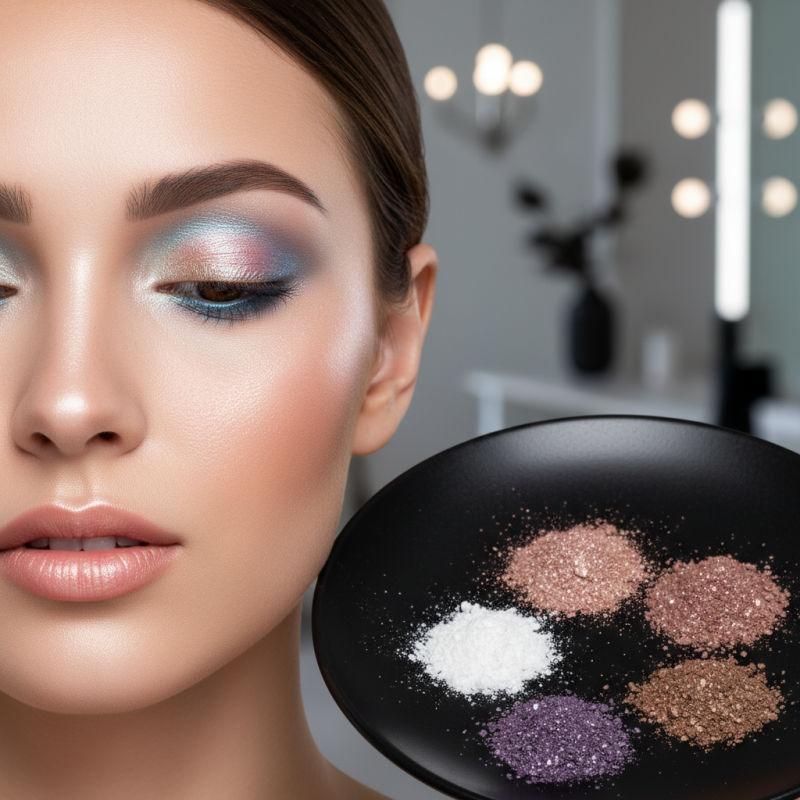
In eyeshadows, synthetic mica adds vibrancy and depth. It creates a shimmering effect, elevating the color payoff. Users appreciate how it blends seamlessly, offering a luxurious feel on the eyelids. Additionally, synthetic mica is used in blushes and highlighters. It gives a luminous quality that enhances facial features. However, not all products use synthetic mica effectively. Some formulations can feel heavy or oily, leading to dissatisfaction among users.
Another interesting use is in lip products. Synthetic mica can impart a subtle shine, making lips look fuller. But there can be inconsistencies in how it interacts with other ingredients. Finding the right balance is crucial. Many cosmetic formulations need a bit of tweaking to achieve the desired outcome. Despite these challenges, the versatility of synthetic mica makes it a valuable ingredient in modern makeup.
Comparing Synthetic Mica with Natural Mica in Cosmetics
When comparing synthetic mica and natural mica in cosmetics, there are significant differences. Synthetic mica is produced in controlled environments. This ensures purity and uniformity. In contrast, natural mica can vary in quality. It may contain impurities, which can affect performance.
Synthetic mica has a smooth, consistent texture. This contributes to a more even application in makeup products. Many consumers appreciate the reliability of synthetic mica. However, some people still prefer natural mica for its unique shimmer. The organic feel of natural mica can be appealing, but sourcing it raises environmental concerns.
Both types serve their purpose in the cosmetics industry. Synthetic mica is often touted for its ethical sourcing. But the debate about its sustainability continues. Users may need to weigh the benefits of each type to find what works best for them. The choice isn't always clear-cut, and experimentation is key.
Safety and Regulatory Considerations for Synthetic Mica Use
Synthetic mica powder has gained popularity in cosmetics, primarily for its excellent shimmer and texture. However, the safety and regulatory landscape surrounding its use is evolving. A report by the Cosmetic Ingredient Review (CIR) shows that synthetic mica is generally considered safe for cosmetic use. The CIR notes that it poses low risk for skin irritation but stresses the need for further studies on long-term exposure.
Regulatory bodies emphasize proper sourcing and labeling. The FDA and other global entities recommend rigorous testing of synthetic mica products. This is crucial to ensure they meet safety standards. A study published in the Journal of Cosmetic Science revealed that around 40% of synthetic mica used in cosmetics lacks adequate safety data. Brands must verify the safety of synthetic mica instead of relying solely on supplier information.
Consumers increasingly demand transparency about ingredients. Many want to know how materials are sourced and manufactured. This trend pressures manufacturers to rethink their sourcing strategies. There are ongoing discussions about sustainability and the environmental impact of synthetic mica. While its shimmer offers aesthetic appeal, the industry has room for improvement in ethical sourcing and consumer education.