
Choosing a China-based Film Coating Machine manufacturer or supplier takes more than comparing prices. Buyers need to match the machine to their material, coating method, production volume, and quality targets. A line designed for flexible packaging may not suit technical films or specialty papers. Small differences matter.
Ask how the equipment controls coating thickness, web tension, drying temperature, and line speed. Request specifications, sample-test procedures, and clear details about the materials used in key components. If possible, review a test run using your own substrate and coating formula. A smooth sample can reveal useful information, but it cannot replace repeatable production data. Details matter.
A reliable supplier should explain installation, operator training, spare parts, and after-sales support in practical terms. Check whether the company can provide relevant project references and answer technical questions with specific evidence. Compare the same requirements across suppliers, including delivery scope and acceptance criteria. Do not rely on broad claims such as “high precision” without asking how performance is measured. Not every line fits. Even a well-built machine may need adjustment for a new material or process. That is worth discussing openly before purchase. This guide outlines the questions that help buyers assess Chinese manufacturers, reduce uncertainty, and identify a Film Coating Machine suited to real production needs.
A film coating machine applies a thin, even layer of liquid coating to tablets, pellets, or other solid products. It commonly includes a rotating pan or perforated drum, a spray system, and controlled airflow. As the products tumble, spray nozzles distribute the coating while heated air helps remove moisture. The process can improve appearance, reduce dust, or help protect a product from handling and environmental exposure. Not magic. The finished layer depends on the coating formula and process conditions, not the machine alone.
Operators adjust spray rate, inlet air temperature, airflow, and rotation speed. For example, droplets that are too large may leave rough patches; drying that is too fast can cause uneven coverage. A small sample check during a run can reveal problems before the whole batch is coated.
Results also depend on product shape and batch loading. A glossy surface does not, by itself, prove that the coating is uniform or performs as intended. That distinction is easy to overlook. Careful setup, documented settings, and suitable testing help determine whether the coating meets its practical purpose.
A film coating machine applies a thin liquid layer while rotating tablets or other suitable products in a perforated pan. Rotation keeps the load moving, exposing different surfaces to the spray. Nozzles break the coating liquid into fine droplets, which settle across the tumbling bed. The aim is even coverage, not simply a glossy finish. Small details matter. Spray distance, pan speed, and liquid flow all affect how droplets reach the product. If the spray is too heavy, surfaces may stick together; if it is too light, coverage can become patchy.
Drying happens during application, not only after spraying stops. Conditioned air passes through the moving bed and helps evaporate the liquid’s solvent or water, while exhaust air carries moisture away. Operators monitor inlet and exhaust temperatures, airflow, and product appearance, then adjust settings as conditions change. A dry surface can still hide uneven coating beneath it. That is easy to overlook. Machine readings are useful, but they do not replace checking samples and documenting the process. Results also depend on the product and coating formulation, so a setting that works well in one batch may need adjustment in another.
China Top Film Coating Machine Manufacturer Supplier?
Main Machine Types and Their Industrial Applications
Film coating machines vary by product shape, batch size, and drying needs. Perforated-pan coaters are widely used for tablets and capsules. Their rotating drum exposes each piece to a spray of coating liquid, while controlled airflow helps remove moisture. These systems suit production lines that need repeatable coating and clear process adjustments. Conventional coating pans can handle larger, tougher products, including some confectionery items. Fluid-bed coaters suspend granules or powders in warm air, making them useful when particles need an even, thin layer. Not every product behaves predictably; shape and moisture sensitivity can change the result.
When comparing machines, check spray distribution, air handling, cleaning access, and batch capacity. A high-capacity unit is not automatically the best choice. For delicate granules, excessive airflow may cause breakage; for tablets, poor spray control can create uneven color or sticking. Review the actual material and target coating, not just the equipment specifications. Small trial batches can reveal issues before a process is scaled up.
Tips: Ask for coating results using a product similar to yours. Confirm temperature control, exhaust filtration, and cleaning procedures. Record the settings—one missed detail can affect the next batch.
The chart counts the common product forms listed for each machine type. These are application examples—not production-capacity or market-share figures.
Typical applications: conventional coating pans—tablets and confectionery centers; perforated-pan coaters—tablets and pellets; fluid-bed coaters—granules, pellets, and powders; Wurster bottom-spray coaters—pellets and particles.
Assessing a film coating machine manufacturer in China starts with the product, not the sales brochure. Share your tablet size, batch capacity, coating material, and target output. Ask for a process discussion based on those details. A credible technical team should explain pan loading, spray rate, inlet air control, and cleaning access in practical terms. Look closely at the spray guns and air filters. Small design choices affect coating uniformity and downtime.
Request a live machine demonstration using a comparable process. Watch how operators set parameters, inspect the spray pattern, and respond to alarms. Ask for test records, equipment drawings, and a clear list of included components. Check whether temperature sensors and airflow readings can be verified. Details matter. A polished video is useful, but it cannot replace a direct technical review. If a claim sounds unusually broad, ask what test supports it.
Factory evaluation should include assembly practices, quality checks, and staff experience with similar production needs. Discuss installation, operator training, spare-part availability, and expected response times before placing an order. Compare the manufacturer’s written specifications with the machine configuration you will receive. Ask who handles troubleshooting after commissioning. That takes time. Some gaps may only become clear during a visit, and remote assessment has limits. Keep a record of unanswered questions, especially where delivery scope or acceptance testing remains vague.
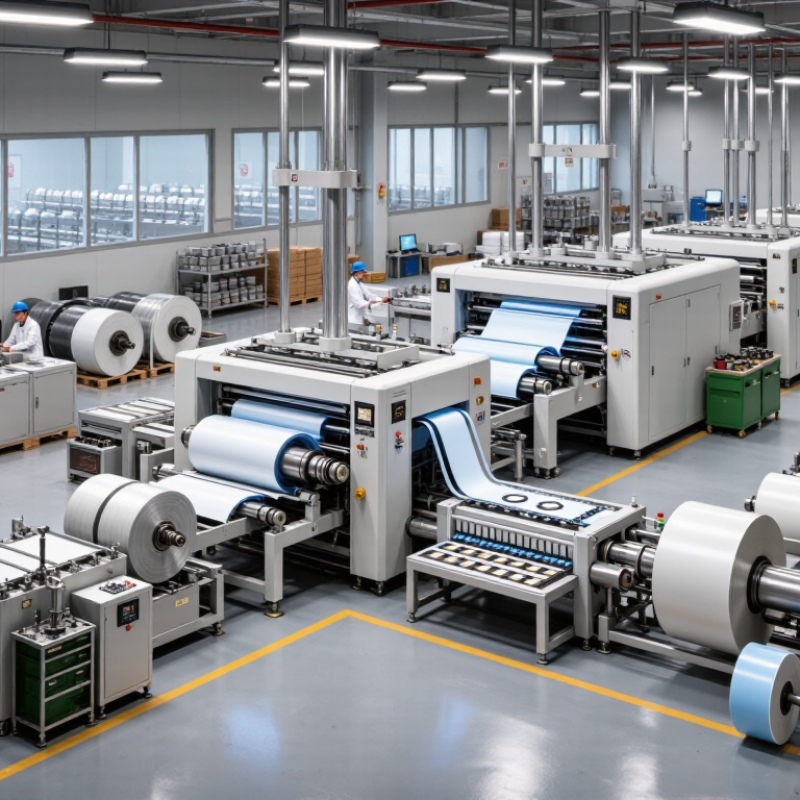
Choosing a Supplier Selecting a film coating machine supplier requires more than comparing prices. Start with the coating process: check the working width, line speed, film thickness range, and required coating weight. Ask how the machine controls tension and temperature. These details affect coating consistency and can reduce wrinkles or uneven edges. Request sample-run data using material similar to yours. A clean demonstration is useful, but real production conditions matter more.
Customization should solve a measured need, not simply add features. Discuss the drying method, unwinding and rewinding setup, available floor space, and future capacity. Ask for drawings, electrical requirements, and a clear list of included components. Service matters, too. Confirm the technician’s response process, spare-parts availability, installation support, and operator training. Get these commitments in writing. Small details count. A supplier may promise quick help, yet vague timelines are hard to rely on. Compare references from customers with similar materials and production volumes. No machine removes every process risk; even a well-specified line needs careful setup and regular checks. Be willing to question your own assumptions before choosing.