How to Choose the Best Inkjet Printer for Your Needs?
Choosing the right Inkjet Printer can be daunting. With numerous models and features, making the right choice is crucial. As industry expert John Smith states, "A good inkjet printer should meet your specific demands." This quote emphasizes the importance of aligning a printer's capabilities with your individual needs.
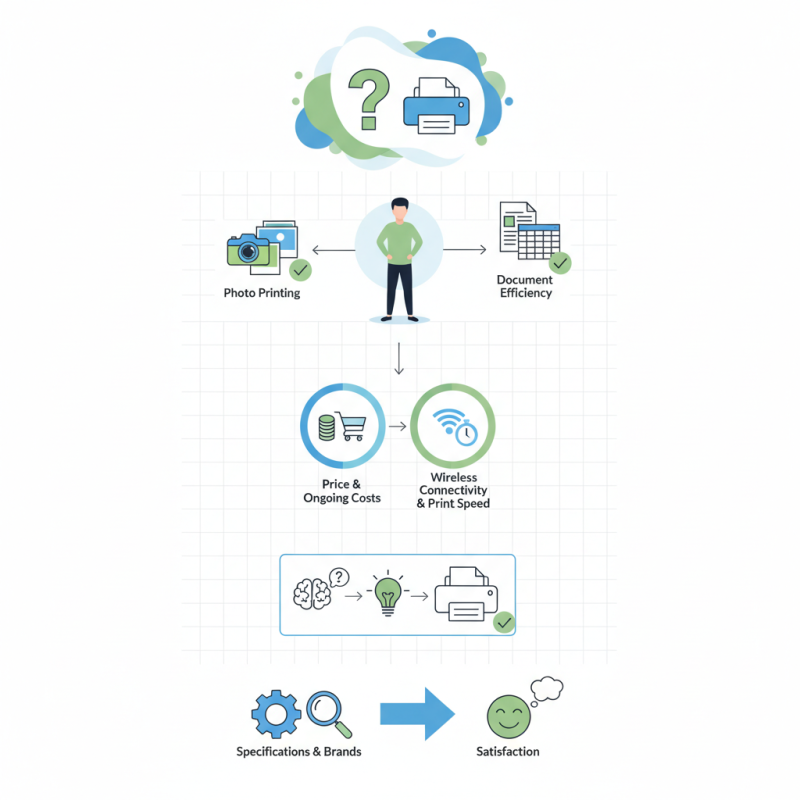
Inkjet printers can vary significantly in quality and functionality. Some excel in photo printing, while others might focus on document efficiency. Understanding these differences is vital. Moreover, price and ongoing costs play a significant role in your selection. Features like wireless connectivity and print speed can also sway your decision.
It's easy to get lost in specifications and brands. Reflecting on what you truly need helps clarify your choice. This process may highlight certain features you initially overlooked. Ultimately, an informed decision leads to satisfaction with your inkjet printer for years to come.
Understanding Inkjet Printer Types: Home, Office, and Professional Models
When selecting an inkjet printer, understanding the different types is crucial. Home models are designed for casual use. They typically offer basic printing features, making them affordable and easy to operate. According to industry data, over 40% of households own an inkjet printer primarily for photos and school projects. However, these models may lack the speed and durability needed for heavier workloads.
Office inkjet printers stand out for their performance. Many are equipped to handle larger print volumes and come with connectivity options like wireless and mobile printing. Research indicates that office environments that invest in reliable printers can save up to 30% on printing costs annually. However, not all office models are created equal; some may experience slower print speeds with complex documents.
Professional models cater to graphic designers and photographers who need high-resolution outputs. They often use specialized inks that produce vibrant colors. Yet, the cost of these printers can be prohibitive. Users must weigh the benefits against the investment. Is the enhanced quality worth the price? Each category suits different needs, so identifying your requirements is key.
Key Specifications to Consider: Print Quality, Speed, and Cost Per Page
When choosing an inkjet printer, three key specifications stand out: print quality, speed, and cost per page. Print quality is often judged by the resolution, measured in DPI (dots per inch). Higher DPI numbers usually lead to sharper images and more vibrant colors. However, impressive specifications can be misleading. Sometimes, a printer’s real-world performance doesn’t match its rated DPI. It’s essential to look at sample prints to gauge actual quality.
Speed is another critical factor. Measured in pages per minute (PPM), it determines how quickly you can produce documents. A high PPM may sound appealing, but it’s crucial to consider the types of documents you'll print most often. Text documents often print faster than complex images. If you mainly print photos, be prepared for longer waits. Evaluating user reviews can provide insights into real-world speed.
Lastly, the cost per page can significantly impact your long-term printing expenses. This cost includes ink usage and paper type. Some printers have low upfront prices but high ink costs. Understanding your volume and types of printing is crucial here. Regularly comparing costs can lead to surprising findings. Balancing these factors will guide you in choosing the best inkjet printer tailored to your needs.
Evaluating Connectivity Options: Wireless, USB, and Mobile Printing Features
When selecting an inkjet printer, evaluating connectivity options is essential. Wireless capability has become a standard feature in modern printers. It allows users to print from anywhere in their home or office without the clutter of cables. Wi-Fi Direct can simplify the connection process, enabling direct communication between devices. That said, wireless connectivity may sometimes lead to connectivity issues. Users must weigh convenience against potential troubleshooting.
USB connectivity remains popular for those who prefer a direct connection. This option often ensures a stable connection and faster printing speeds. However, it limits mobility, as users need to stay close to the printer. Mobile printing features, such as Apple AirPrint or Google Cloud Print, provide flexibility. With these features, printing from smartphones or tablets is seamless. Yet, it’s crucial to ensure compatibility with your devices. Not all printers support every mobile printing protocol, so research is necessary.
Choosing the right connectivity option matters. It can affect your overall experience with the printer. Consider your typical printing habits. If you often print from multiple devices, wireless features may be best. For dedicated workstations, USB might suffice. Always reflect on how your needs may change over time. This foresight can help in making a more informed decision.
Connectivity Options for Inkjet Printers
This chart illustrates the evaluation of connectivity options available for inkjet printers based on various features such as Wireless, USB, and Mobile Printing capabilities.
Assessing Ink Cartridge Options: Genuine vs. Third-Party and Refill Systems
When assessing ink cartridge options, users must navigate the choice between genuine and third-party cartridges. Genuine cartridges are designed by printer manufacturers. They often promise reliable quality and compatibility with your inkjet printer. A report from TechTarget indicates that genuine cartridges can lead to a lower risk of printer malfunctions.
On the other hand, third-party cartridges and refill systems can significantly reduce printing costs. According to a study by Consumer Reports, some third-party options can be 50-70% cheaper than genuine ones. However, these savings come with potential risks. Users may encounter issues such as color fidelity problems or lower page yields. Additionally, not all third-party products maintain high-quality standards. This inconsistency may lead to frustration and unexpected expenses down the line.
Some users opt for refill systems, which allow ink cartridges to be reused. This choice can be environmentally friendly. Yet, a 2021 report from IDC highlighted that refill systems may not always guarantee peak performance. Users should weigh the upfront cost against long-term reliability. Ultimately, the best choice reflects individual priorities, whether it's budget, quality, or environmental concerns.
Reading Consumer Reviews and Industry Ratings for Informed Decisions
When selecting an inkjet printer, consumer reviews and industry ratings are invaluable resources. They provide insights into real-world performance and user satisfaction. Many reviews detail how printers handle different paper types, including glossy photo papers and standard office sheets. Reading these accounts can help you gauge a printer's reliability before making a purchase.
Look for patterns in the reviews. If multiple users mention frequent paper jams or ink smudging, take note. However, be cautious. Sometimes, a single bad review can skew perceptions. It's essential to balance negative feedback with positive experiences to form a comprehensive view. Check which features users love most, like wireless connectivity or mobile printing capabilities.
Industry ratings offer an expert perspective. Websites and magazines usually conduct thorough testing, assessing speed, print quality, and overall value. They may highlight printers best suited for specific needs, such as home use versus office environments. Understanding both consumer feedback and expert insights can lead to a more informed choice. Emphasizing this balance in your research process is crucial for choosing wisely.
How to Choose the Best Inkjet Printer for Your Needs?
| Printer Type | Print Quality | Speed (Pages Per Minute) | Connectivity Options | Monthly Duty Cycle | Average Cost of Ink |
| Single-Function | High | 15 | USB, Wi-Fi | 500 pages | $30 per cartridge |
| All-in-One | Medium | 10 | USB, Wi-Fi, Ethernet | 800 pages | $35 per cartridge |
| Photo Printer | Very High | 8 | USB, Wi-Fi | 300 pages | $40 per cartridge |
| Business Printer | High | 20 | USB, Wi-Fi, Ethernet | 1500 pages | $25 per cartridge |