
2026 How to Choose the Right Compact Wheel Loader?

Choosing the right Compact Wheel Loader can be a challenging task. With various models available, each offers unique features and benefits. It is essential to consider your specific needs before making a decision.

First, think about the size and weight of the loader. A compact wheel loader should fit within your workspace. Measure your site to avoid choosing one that is too large. Additionally, consider the power requirements. Some tasks demand more strength than others.

Finally, evaluate attachments and compatibility. A loader may excel in its basic form but falter without the right tools. Finding the perfect Compact Wheel Loader necessitates careful thought and exploration. It's okay to have doubts during this process. Reflecting on your options can lead to a more informed choice.
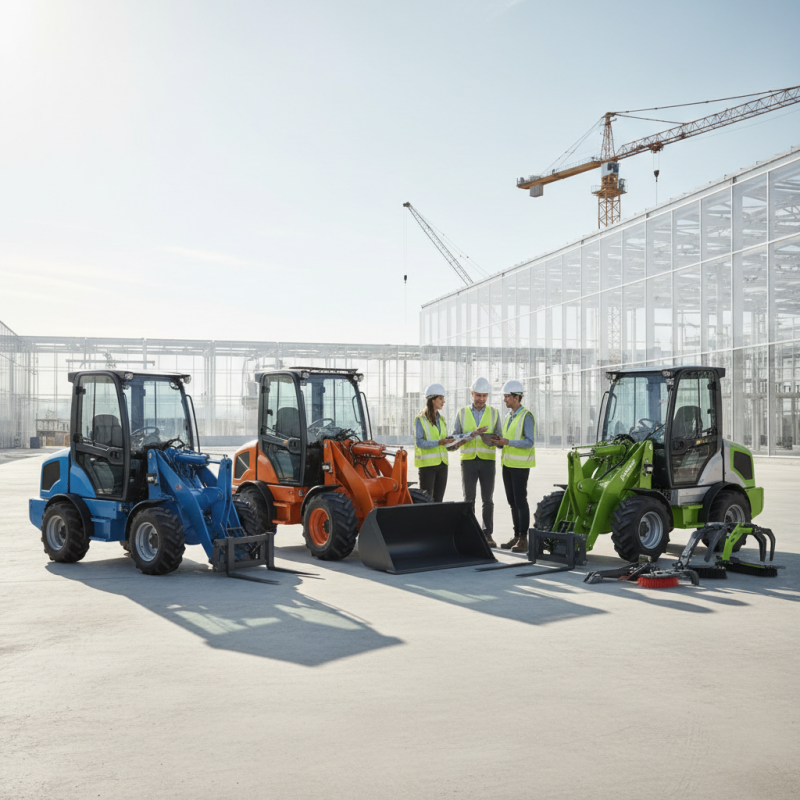
2026 How to Choose the Right Compact Wheel Loader?

Understanding the Importance of Compact Wheel Loaders in Construction

Compact wheel loaders play a crucial role in modern construction projects. These machines are versatile and efficient, allowing operators to navigate tight spaces. According to the latest industry reports, the compact wheel loader market is projected to grow at a CAGR of 4.2% through 2026. This demonstrates their increasing importance in urban environments where space is limited.

Compact wheel loaders offer a range of applications. They can perform tasks such as material handling, digging, and grading. In landscaping and small-scale construction, their agility stands out. The ability to switch attachments easily enhances their functionality. However, operators often face challenges in selecting the right model. Different projects demand specific capabilities, leading to confusion among buyers.

Proper training is essential for maximizing their potential. Many operators overlook this aspect. Without adequate knowledge, machines may be underutilized. Data from industry surveys show that 30% of operators feel unprepared. Invest in training programs to ensure efficiency and safety on the job site. Each project presents unique needs; understanding these needs is vital.

Key Features to Consider When Selecting a Compact Wheel Loader

Choosing the right compact wheel loader can be tricky. Key features play a critical role in making this decision. Start by assessing the loader's lifting capacity. A higher capacity could enhance your productivity. However, a machine that's too heavy may limit mobility. It's a balance.


Next, look at the size and maneuverability. Compact loaders are designed for tight spaces. Therefore, narrow widths and shorter turning radii are crucial. Consider the job sites you'll be working on. If space is tight, a more compact model will be essential.


Don't overlook attachments compatibility. Different jobs require different tools. Check if the loader supports various attachments. This flexibility can save you money in the long run. Think about your daily tasks. It would be wise to reflect on whether your choice will meet future needs.

Assessing the Power and Performance of Compact Wheel Loaders

Choosing the right compact wheel loader requires a solid understanding of power and performance metrics. According to a recent market analysis, compact wheel loaders typically deliver a load capacity ranging from 1,500 to 4,000 pounds. Assessing the horsepower is crucial; loaders with 50 to 100 horsepower are common in this segment. Make sure to check the lift height as well. Many models offer a lift height between 8 to 10 feet, which is adequate for most construction tasks.

Tips: Always consider the operating weight. It affects stability and maneuverability. Ideal operating weights often range from 3,000 to 6,000 pounds. A loader that feels too heavy can lead to fatigue. Balance and comfort are important for long working hours.

Performance can vary significantly. Factors such as hydraulic flow rate and attachment compatibility play a vital role. High-flow hydraulic systems provide better versatility. The average flow rate is around 15 to 25 gallons per minute. However, choosing a model with a higher flow rate may enhance attachment performance, but it may also raise costs.

Remember, real-world performance may differ from manufacturer specifications. It's essential to test the loader in actual working conditions. Observe if it meets your specific needs. Every job site is unique, so ensure you analyze what works best for your applications.

Evaluating Attachments and Versatility of Wheel Loaders

When evaluating compact wheel loaders, versatility is key. These machines can take on various tasks, which can greatly enhance productivity. Attachments play a significant role in this functionality. Think about the different jobs your loader will handle. Will it lift, dig, or move materials? Choosing the right attachments is crucial to maximize the machine’s potential.

For example, a bucket can scoop up heavy loads, while forks are great for pallet handling. Sometimes, operators choose attachments that may not align perfectly with their needs. This can lead to wasted time or resources. Additionally, consider compatibility. Some loaders work better with specific brands of attachments. It’s essential to ensure they work seamlessly together.

Height, width, and weight matter too. These factors affect which attachments can be used effectively. Evaluate your typical job site. Are spaces tight? Make sure your loader and attachments can navigate smoothly. Reflect on past experiences with specific tasks. Did certain attachments underperform? Learning from these moments can lead to better decisions. Ultimately, versatility comes from careful consideration and personal experience.

2026 Compact Wheel Loader Versatility Evaluation

Budgeting and Cost Considerations for Buying a Compact Wheel Loader

When budgeting for a compact wheel loader, consider various cost factors. Initial purchase price is crucial, but do not overlook ongoing expenses. Fuel efficiency impacts your long-term costs significantly. Analyze usage patterns to project these costs accurately.


It’s essential to factor in maintenance expenses. Regular servicing prevents costly repairs later. Make a checklist of potential maintenance needs. Sometimes, overestimating or underestimating these costs can lead to budget disruptions.


Tips: Research local market prices for parts. Compare them to your projected service costs. This can provide insights into potential savings. Look into financing options that suit your budget. Flexible payment plans can ease the initial financial strain.