What Is a Laser Marking System and How Does It Work?

A laser marking system uses a focused beam of light to create permanent marks on a material. It can print serial numbers, barcodes, logos, dates, and technical symbols. Unlike ink printing, the process usually needs no liquid consumables. The result is clean, precise, and resistant to rubbing, heat, or moisture.

Laser Marking Systems work by directing a controlled beam across a surface with mirrors, lenses, and software. Depending on the material, the laser may remove a thin layer, change the color, or create a shallow engraved area. Fiber lasers often mark metals, while CO2 and ultraviolet lasers suit different plastics, glass, and coated products. Small details matter. Power, speed, focus, pulse frequency, and surface condition all influence the final contrast.

In practical production settings, operators test sample pieces before marking an entire batch. A stainless-steel part may need a dark annealed mark, while a plastic housing can require gentler energy. Verification cameras can check readability after marking. Proper guarding, ventilation, training, and manufacturer guidance remain essential for safe operation. The technology seems straightforward. It is not always predictable. Material variations, incorrect focus, or dusty lenses can produce weak or uneven marks. Understanding these limits helps engineers choose suitable equipment and build a dependable marking process. This article explains the main system components, marking methods, applications, and working principles in clear, practical terms.
What Is a Laser Marking System and How Does It Work?

What Is a Laser Marking System?

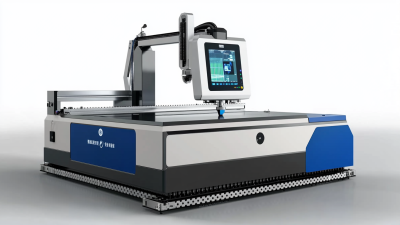
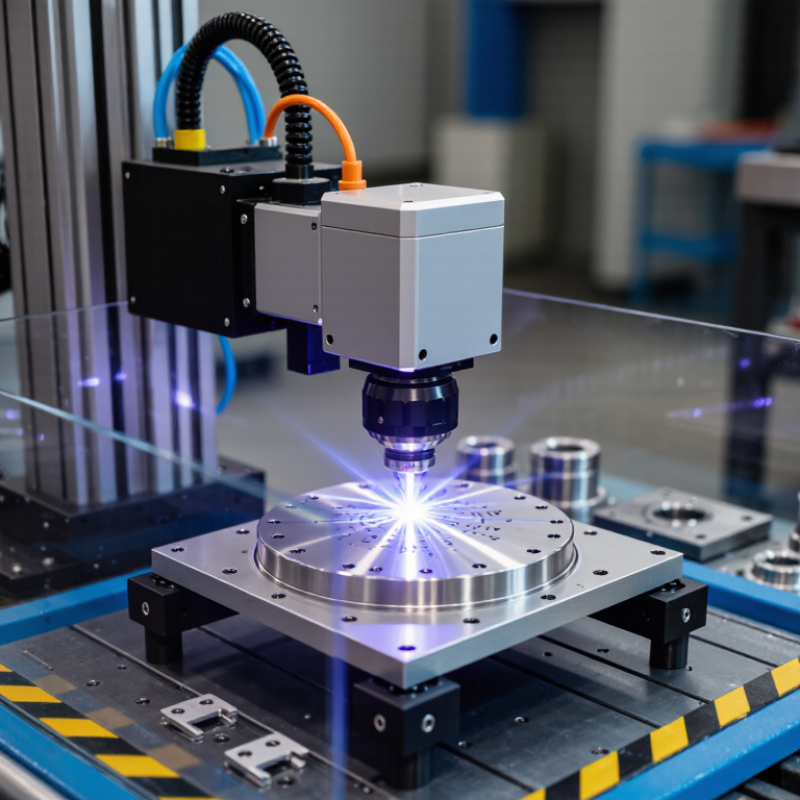
A laser marking system is an industrial tool that creates permanent text, codes, symbols, or patterns on a product. It uses focused laser light to change the surface of a material without physical contact. Unlike ink printing, this process normally needs no liquid consumables. The system usually includes a laser source, control software, scanning mirrors, a focusing lens, and a work platform. Each part affects marking quality.

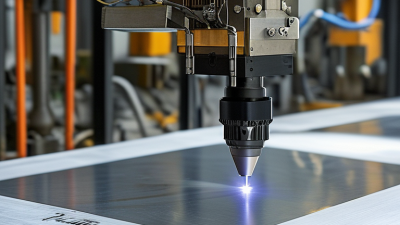
During operation, software converts a design into controlled movements and laser pulses. Scanning mirrors guide the beam across the target area. The focused energy heats, darkens, removes, or slightly reshapes the surface. Metal may receive an engraved or annealed mark. Plastic can melt, discolor, or produce unwanted contrast if the settings are unsuitable. Small adjustments matter.

In real production work, technicians test the material before approving a marking recipe. Laser power, speed, pulse frequency, focus, and surface condition all influence the result. A mark that looks sharp under bright light may become difficult to read later. It may also fail. Reliable systems use suitable guarding, ventilation, access controls, and routine lens inspection. Operators should follow documented safety procedures and verify each batch with appropriate measuring tools. It is easy to oversimplify laser marking as “writing with light.” Material variation, dust, curved surfaces, and heat sensitivity can make the process less predictable than expected.

What Is a Laser Marking System and How Does It Work?

A laser marking system uses a focused laser beam to alter the surface of a material through processes such as annealing, engraving, ablation, or color change. The laser source is selected according to the material and the required marking result.

Typical laser wavelengths used in marking: Fiber lasers commonly operate at 1,064 nm and are widely used for metals and some plastics. CO₂ lasers operate at 10,600 nm and are often suitable for non-metallic materials. UV lasers at 355 nm provide low-heat marking for sensitive materials, while green lasers at 532 nm are used for selected metals, electronics, and reflective surfaces.

What Are the Main Components of a Laser Marking System?

A laser marking system combines several coordinated components. The laser source generates a concentrated beam, commonly through fiber, ultraviolet, or carbon dioxide technology. Its wavelength affects how the material absorbs energy. Metals often need different settings than plastics, glass, or coated surfaces. The power supply controls output stability, while cooling protects the source during continuous operation. This matters in production.

Grand View Research reported that the global laser marking machine market was valued at approximately USD 3.75 billion in 2023, with steady growth expected through 2030.

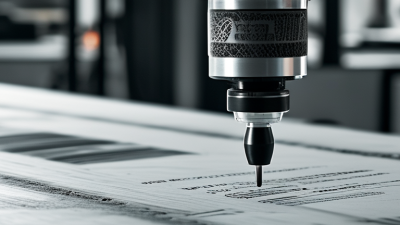
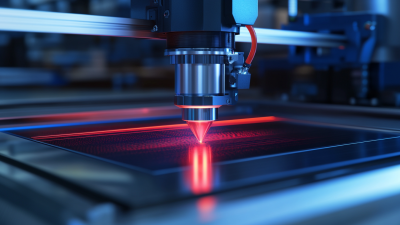
The beam delivery system directs light toward the workpiece. Galvanometer scanners move small mirrors rapidly across the marking field. A focusing lens then reduces the beam to a tiny spot. Smaller spots can produce finer details, but they also demand accurate height control. The controller and marking software manage speed, pulse frequency, hatch patterns, and text data. A sensor or vision camera may verify position before marking. In practice, calibration is often underestimated. A slightly incorrect focal distance can create pale edges or uneven depth.

The workholding fixture keeps each part stable. An enclosure limits accidental exposure and supports compliance with IEC 60825-1 safety requirements. Fume extraction removes smoke and particles created during processing. Some systems also include barcode readers, rotary axes, and network interfaces. MarketsandMarkets has identified automation and traceability as major drivers of laser marking adoption. Yet software integration is not always smooth. Operators still need practical testing, material samples, and documented settings before full-scale production.

How Does the Laser Marking Process Work?

A laser marking system uses focused light to alter a surface without physical contact. The process starts with a digital design, material identification, and parameter selection. An operator checks the workpiece for coatings, moisture, and uneven areas. These details matter. Metals may darken through oxidation or annealing, while plastics may change color or form a controlled recess. The result depends on wavelength, pulse duration, power, speed, and focus.

After securing the workpiece, the technician aligns the marking area with the laser’s focal point. Scanning mirrors then guide the beam along programmed lines, curves, or codes. Each pulse delivers controlled energy to the surface. Some systems remove a coating, while others create contrast through heat or material displacement. Proper ventilation and protective enclosures help control fumes, reflected light, and stray radiation. Never rely on appearance alone.

The first test is rarely perfect. A mark may look too pale, too deep, or slightly blurred. I have found that small changes in focus or scan speed can significantly improve clarity. Test samples should represent the actual material and finish. Technicians inspect edge sharpness, contrast, depth, and resistance to handling. They may also review the mark after cleaning or light abrasion. This step exposes weaknesses that a quick visual check can miss. Material batches can behave differently, so fixed settings should be questioned rather than copied blindly.

Which Materials Can Laser Marking Systems Process?

A laser marking system uses focused light to change a surface without physical contact. The best material depends on wavelength, pulse duration, coating, and heat sensitivity. Metals usually respond well to fiber lasers. Stainless steel can receive dark annealed marks, while aluminum often needs controlled energy to avoid distortion. Titanium, brass, copper, and nickel alloys are also processable, but reflective surfaces demand careful beam control.

Plastics require more testing. ABS, polycarbonate, nylon, and engineered resins can produce contrast through foaming, carbonization, or surface ablation. Their additives matter greatly. Two parts with identical colors may mark differently. Glass and ceramics can be etched or fractured microscopically, creating a frosted appearance. Wood, leather, painted surfaces, and laminated labels are also suitable for selected applications. However, chlorine-containing plastics may create corrosive fumes, so ventilation and material safety data are essential.

Grand View Research estimated the global laser marking machine market at roughly USD 3 billion in 2023, reflecting wider adoption in electronics, automotive, and medical manufacturing. That growth does not make every material easy. A practical trial remains more reliable than a catalogue claim. I have seen attractive test marks fail after abrasion or cleaning. The process needs verification.

Tips: Test production-grade samples, not only spare pieces. Record power, speed, frequency, and focus distance. Check contrast, heat damage, readability, and durability after cleaning. ISO/IEC 15415 can help assess two-dimensional code quality, but the marking method still needs application-specific validation.

What Are the Main Applications and Benefits of Laser Marking?

A laser marking system uses focused light to create readable marks on metal, plastic, glass, and coated materials. A controller guides the beam through fast-moving galvanometer mirrors. The beam then changes the surface through ablation, annealing, engraving, or color alteration. No ink is required. This reduces smearing, drying, and replacement work.

Applications are broad. Automotive plants mark serial numbers on engine parts and safety codes on components. Electronics manufacturers identify circuit boards and tiny connectors. Medical-device producers use permanent marks for traceability. Packaging lines add dates, batch codes, and machine-readable symbols. Grand View Research’s 2024 Laser Marking Machine Market report forecasts market growth at roughly 8.7% annually through 2030. MarketsandMarkets’ 2024 analysis also indicates growth near 8% through 2028, supported by automation and product tracking.

The main benefits are permanence, accuracy, and low material consumption. A well-focused beam can mark fine characters without touching the workpiece. It can also connect with cameras, sensors, and factory software. However, laser marking is not effortless. Reflective metals can scatter energy, while excessive heat may damage thin parts. Poor focus creates weak contrast. That is frustrating. Operators still need testing, ventilation, and process records. Surface texture, speed, power, and frequency must be balanced for each material. The reports show market potential, but real performance depends on disciplined setup and honest quality checks.

What Is a Laser Marking System and How Does It Work? - What Are the Main Applications and Benefits of Laser Marking?
A laser marking system uses a focused beam of light to create permanent marks by changing the surface appearance or removing a controlled amount of material. The appropriate process depends on the material, required contrast, marking depth, production speed, and application requirements.
Laser Marking Dimension How It Works Typical Materials Main Applications Key Benefits Important Considerations
Laser Marking System A laser source, focusing optics, scanning mechanism, control software, workholding equipment, and safety enclosure work together to place a programmed mark on a part. Metals, plastics, ceramics, glass, coated materials, and selected organic materials. Product identification, traceability, coding, decoration, and process control. Non-contact Computer controlled Repeatable System performance depends on laser wavelength, power, pulse characteristics, optics, material properties, and motion control.
Annealing Controlled heat changes the color or oxide structure beneath the surface without significantly removing material. Stainless steel, titanium, and some other metals. Medical instruments, food-processing equipment, automotive parts, and corrosion-sensitive components. Smooth surface Low contamination Durable contrast Usually produces a shallow color change rather than a deeply recessed mark; process settings must limit surface damage.
Engraving The laser removes material through localized vaporization or repeated passes, producing a visible recessed mark. Metals, plastics, wood, glass, ceramics, and coated components. Serial numbers, logos, scales, control panels, tools, and permanent identification. Permanent Wear resistant Adjustable depth Deeper marks generally require more energy, slower processing, multiple passes, or a combination of these factors.
Ablation The laser selectively removes a coating, paint, anodized layer, or plating to reveal a contrasting underlying layer. Painted metals, anodized aluminum, coated plastics, laminates, and plated components. Electrical panels, switches, automotive interiors, labels, and backlit control interfaces. High contrast Clean edges Selective removal Coating thickness, color contrast, adhesion, and heat sensitivity strongly affect the final result.
Foaming and Carbonization Heat creates gas bubbles or darkened regions in certain plastics and organic materials, changing the visible surface color. Engineering plastics, polymers, leather, paper, wood, and selected packaging materials. Plastic housings, consumer products, packaging, seals, and labels. Good contrast Low mechanical stress Flexible graphics Results vary with polymer composition, additives, color, surface finish, and thermal sensitivity.
Color Change The beam modifies the material or coating to produce a controlled visual color change without necessarily creating substantial depth. Plastics, coated metals, anodized surfaces, and selected ceramics. Brand-free product decoration, control markings, consumer goods, and component identification. Detailed graphics Permanent appearance No inks required Color consistency depends on material formulation, surface condition, laser parameters, and viewing conditions.
Traceability and Data Coding Software converts information such as text, serial numbers, barcodes, or two-dimensional codes into a machine-readable mark. Metal parts, plastics, electronics, packaging, glass, and coated components. Manufacturing records, batch tracking, maintenance history, recalls, inventory, and quality control. Automated data Permanent records Error reduction Code readability should be verified with suitable inspection equipment under defined lighting and contrast conditions.
Common Industrial Applications Laser marking is integrated into manual stations, automated production lines, robotic cells, or inspection systems. Automotive components, electronics, medical devices, tools, machinery, cables, packaging, and aerospace parts. Identification, compliance marking, calibration scales, serialization, safety information, and decorative graphics. Flexible integration Digital workflow Scalable automation Production layout, part presentation, fume extraction, guarding, software integration, and inspection requirements must be planned together.
Operational Benefits Because the process is digitally controlled and non-contact, it can mark complex graphics without physical marking tools contacting the workpiece. Suitable materials depend on the selected laser type and process parameters. High-mix manufacturing, customized products, rapid changeovers, and permanent product identification. Low consumables Fast changeover High repeatability Permanent marks Capital cost, operator training, ventilation, laser safety controls, maintenance, and material testing should be included in system planning.
Safety and quality note: Laser marking equipment should be selected, installed, and operated according to applicable laser-safety requirements. Material trials and mark verification are recommended before production release.